


There's a certain sound a real beach chair makes when you unfold it — that light aluminum clatter followed by the snap of webbing pulling taut. If you grew up hauling chairs out of a station wagon trunk, you know it instantly. Vintage beach chairs are having a well-earned comeback, and it's not just nostalgia. The old design — a folding aluminum frame wrapped in woven webbing — simply holds up better at the beach than most of what has replaced it.
Here's what makes a beach chair "vintage," why the retro style keeps outlasting modern bag chairs, and what to look for whether you're restoring an old family chair or buying a brand-new one built the old way.
What Counts as a Vintage Beach Chair?
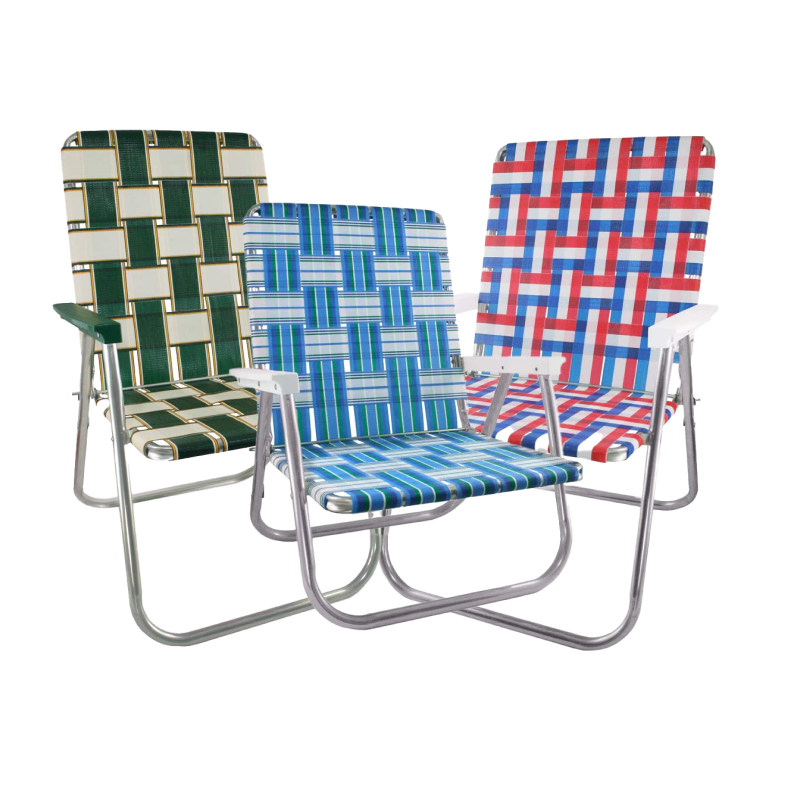
When people search for a vintage or retro beach chair, they usually mean the classic American folding chair of the 1950s through the 1980s: a lightweight aluminum tube frame, crisscrossed polypropylene webbing in bright stripes or solids, and a simple folding action with no levers, zippers, or cup-holder consoles. The look is unmistakable — clean lines, candy colors, and webbing you can see straight through.
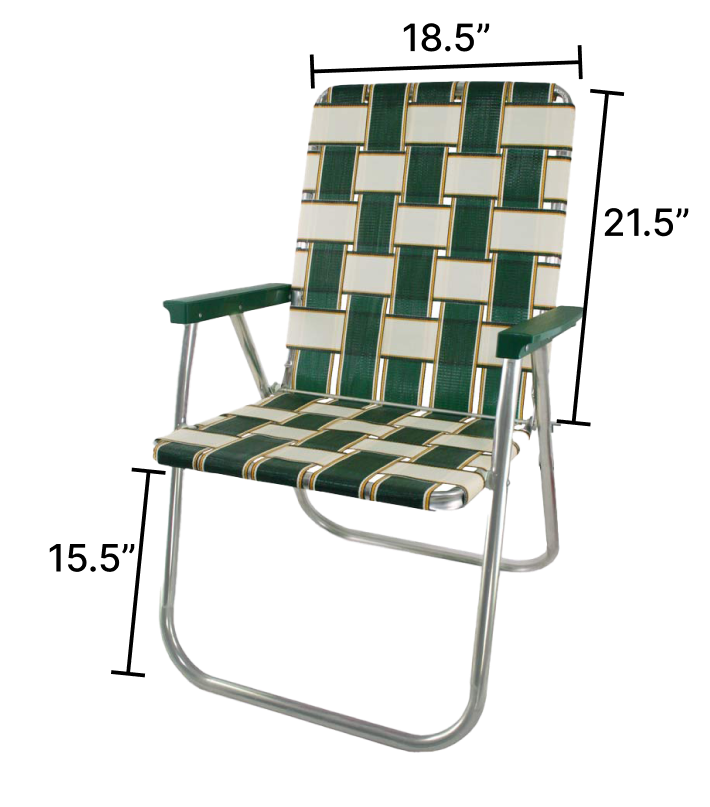
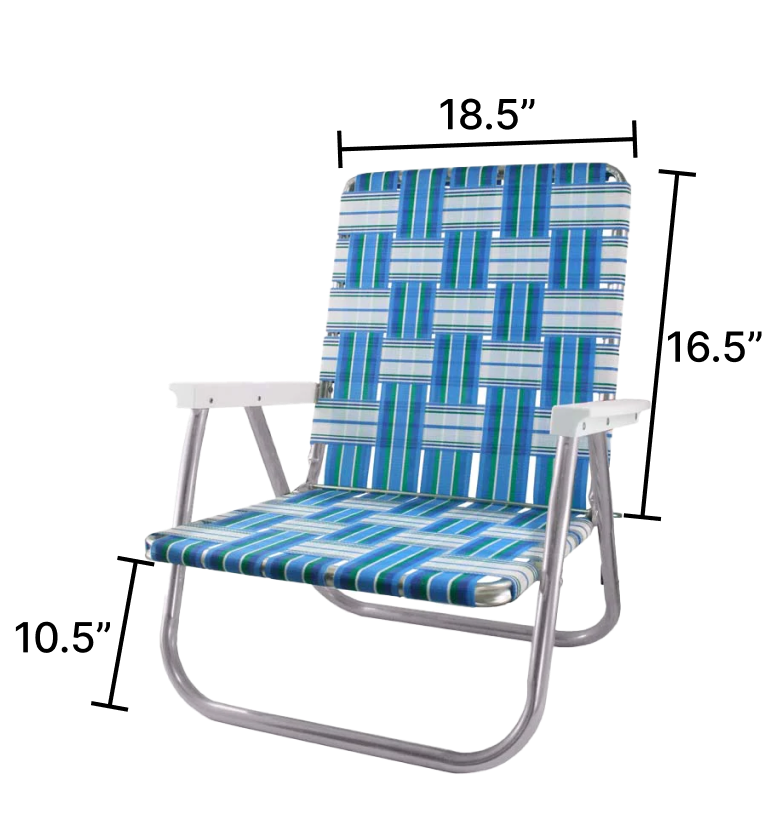
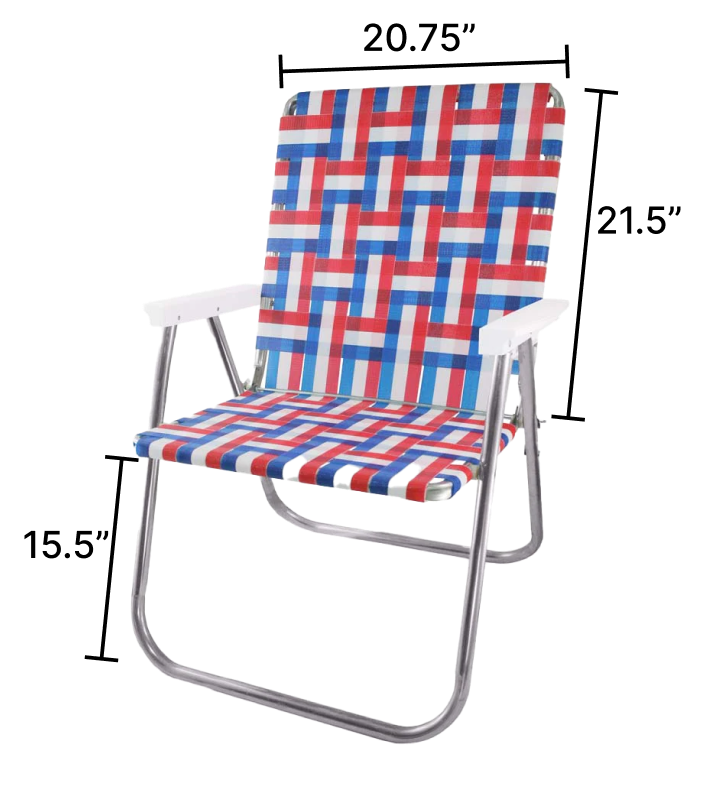
Two builds were common back then: a low-back style that sat close to the sand, and a high-back style with head and shoulder support for long afternoons at the water. It's the high-back that has aged the best — and it's the one we still build today. You can see the classic silhouette in our high-back beach chair collection — same frame, same webbing, same folding action as the originals.
Why Retro Beach Chairs Outlast Modern Bag Chairs
Most beach chairs sold today are the collapsible "bag chair" type: a steel frame with a polyester fabric sling. They're cheap, and they act like it. The fabric traps sand, stays wet for hours, stretches out of shape, and when a seam rips the whole chair is trash. The frame joints are riveted plastic that sand grinds down in a season or two.
The retro aluminum-and-webbing design solves every one of those problems, which is why it lasted for decades in the first place:
- Aluminum doesn't rust. Salt air destroys steel bag-chair frames. An aluminum frame shrugs off spray and rinses clean with a garden hose.
- Webbing dries in minutes. Open weave means no soggy fabric, no mildew smell, and no sand pockets. Shake it once and you're done.
- It's genuinely light. A classic aluminum folding chair weighs around five pounds — an easy one-hand carry over soft sand, lighter than most bag chairs including their carry sacks.
- It's repairable. This is the big one. When webbing wears out after years of sun, you don't throw the chair away — you re-web it and it's new again.
What to Look for in a Retro Folding Chair
Whether you're eyeing an old chair at a yard sale or shopping new, the same few things separate a chair that lasts from one that doesn't.
Frame quality. Look for thick-walled aluminum tubing and metal hardware at the pivot points. Squeeze the tubes — they shouldn't flex. On an old chair, check for cracks at the rivets and make sure the folding action doesn't wobble side to side.
Webbing width and weave. Wider webbing spreads your weight more comfortably and resists stretching. A tight basket weave with generous overlap at the frame is what you want; skimpy single-wrap attachment points are where cheap chairs fail first.
How the webbing attaches. Screws with washers beat staples every time. Screwed webbing can be tightened or replaced strand by strand; stapled webbing usually can't.
Seat height that matches the job. For the beach, lower is better — you're planted in sand, not pavement. For the sidelines or the backyard, a standard-height chair is easier to get in and out of. Our aluminum webbed lawn chairs cover the classic heights if you want one chair that does it all.
Restoring an Old Chair vs. Buying a New Classic
If you've inherited a genuine vintage folding chair, there's good news: these chairs were built to be renewed. A sound aluminum frame from the 1960s is still a sound frame today. Strip off the tired webbing, clean the frame with soapy water, and re-web it with fresh strapping — an afternoon project that costs a fraction of a new chair. Our replacement lawn chair webbing comes in the classic stripes and solids, so a restored chair can look period-correct or get a whole new personality.
If the old frame is cracked, badly bent, or wobbly at the joints, restoration isn't worth it — but you don't have to give up the style. New chairs built the original way are still made, webbing and all. The Sea Island Beach Chair is a good example: a high-back aluminum frame with double-wrapped webbing, folded flat it slides right in a trunk, and every strand is replaceable down the road.
Keeping the Retro Look for Another Few Decades
Vintage-style chairs ask very little. Rinse the frame and webbing with fresh water after salty or sandy outings. Let the chair dry open before folding it up — trapped moisture is the only way webbing gets musty. Store it indoors or under cover in the off-season, since years of direct sun is what eventually fades and stiffens webbing. And when a strand does wear out, replace it then rather than letting neighboring strands take the extra load.
Do that, and there's no reason your chair won't be the one your own kids remember pulling out of the trunk — same aluminum clatter, same snap of the webbing, decades from now. That's the whole appeal of going retro: it was never really about the look. It's that they made them right the first time.